Who Is Lymphatic Drainage Massage For? Lymphedema, Lipedema, Post-Op & More
Learn who lymphatic drainage massage may support, from lymphedema and lipedema clients to people managing post-op swelling or fascia congestion.
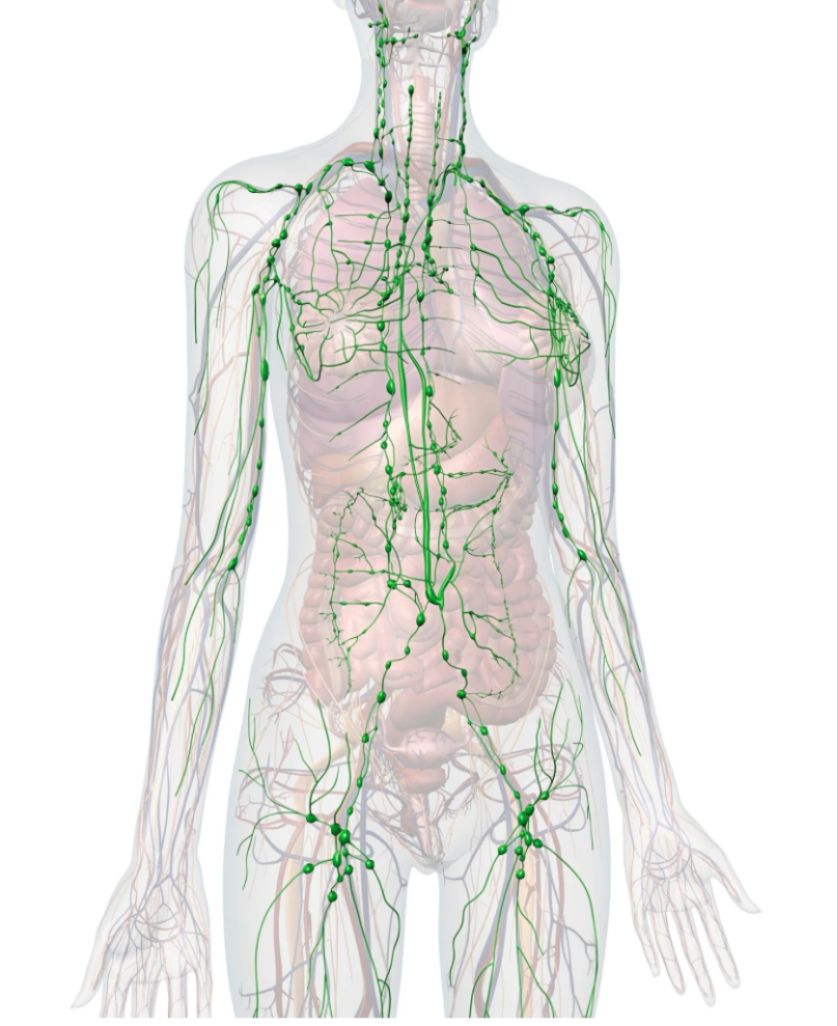
I believe lymphatic drainage massage can be good for everyone.
Manual Lymph Drainage (MLD), often called lymphatic drainage massage, can serve several very different needs. Some clients seek gentle full-body care for puffiness, heaviness, travel-related swelling, or general wellness. Others need a more specific service because they are healing from surgery, living with lymphedema, or managing lipedema-related tissue concerns.
The correct appointment depends on why swelling or heaviness is present. Full-Body MLD is for general lymphatic wellness and is not interchangeable with post-surgical drainage, lymphedema support, or fascia-focused lipedema care.
Lymph is formed from fluid that leaves the bloodstream and enters the spaces around the body's cells. The lymphatic system collects this interstitial fluid, filters it through lymph nodes, and returns it to circulation while supporting fluid balance and immune function. Unlike blood circulation, it does not have one central pump; breathing, movement, pressure changes, and lymphatic vessel contractions all contribute to flow.
When your body feels puffy, heavy, or slow to clear fluid, carefully sequenced MLD may provide gentle support. The work follows lymphatic pathways with light, intentional pressure and a measured rhythm.
Who may benefit from lymphatic care?
1. People dealing with chronic swelling patterns
This includes:
- Lymphedema patients (primary or secondary)
- Breast cancer survivors and clients with post-mastectomy swelling or lymphatic changes following lymph-node removal
- Swelling after radiation or lymph node removal (with medical clearance when needed)
If you have a history of lymph node removal, cancer treatment, or medically diagnosed lymphedema, this is one of the clearest, most appropriate use cases for lymphatic work. The National Cancer Institute explains that surgery, radiation, and lymph-node damage can disrupt lymph flow and identifies MLD as one component of lymphedema care managed by a trained professional. It’s also the area where individualized planning matters most, because this isn’t “one size fits all.” It’s your body, and your body is specific.
Learn about Area-Focused Lymphedema Support or book the service.
2. Clients seeking lipedema support
Lipedema can create a very specific kind of heaviness, tenderness, and swelling that many women feel dismissed about for years. The U.S. Standard of Care for Lipedema describes painful, nodular, and fibrotic connective tissue as characteristic features. Lymphatic drainage can be supportive for comfort, tissue congestion, and symptom management.
Decongestive Myofascial Therapy is The Lymph Current's dedicated lipedema-support service. It combines lymphatic and fascia-focused techniques for heaviness, tenderness, dense tissue, congestion patterns, and restricted tissue glide.
3. People recovering from surgery
Post-surgical clients need recovery-specific Post-Surgical Lymphatic Drainage rather than Full-Body MLD. This can include:
- Cosmetic surgery (with surgeon clearance and correct timing)
- Orthopedic procedures (with clearance)
- Other surgeries that create swelling, fluid shifts, and tissue congestion, such as life-saving mastectomies
The goal is to support available drainage pathways and tissue comfort around the areas affected by surgery. A clinical review of lymphatic massage in cosmetic and reconstructive procedures describes its use as a supportive part of postoperative care while noting that evidence varies by procedure. Choose Post-Surgical Lymphatic Drainage while actively healing. For C-section scar restriction or firm, lumpy, tethered, or uneven tissue after surgery, review Scar and Fibrosis Care.
Book Post-Surgical Lymphatic Drainage
4. People with fascia restriction or dense tissue
Fascia-focused work may complement lymphatic care when tissue feels dense, bound, tender, or difficult to move. Learn more in The Waters of the Body: Lymph Flow, Fascia, and the Slow Drain Pattern.
Some people experience this as:
- Cellulite that feels dense or “stuck” rather than soft
- Tissue that feels bound down
- Chronic puffiness in certain areas
- The sense that your body holds fluid in pockets
This is where lymphatic work and fascia-focused techniques can complement each other, because you’re addressing both flow and terrain. You’re not just asking the body to “drain.” You’re helping remove the friction that keeps it from draining.
5. Women seeking full-body lymphatic wellness support
A lot of women live with low-grade swelling and inflammation as a normal baseline. Lymphatic work can be supportive for women who notice:
- Cyclical puffiness
- Breast tenderness or upper-body congestion (non-medical, non-diagnostic support)
- Feeling “inflamed” during high-stress seasons of life
- Postpartum fluid shifts (when appropriate and cleared)
This is about acknowledging what many women already feel: the body holds, the body swells, the body carries. Supporting flow can be one gentle way to support regulation.
Learn about Full-Body Manual Lymph Drainage or book the service.
6. Palliative-care and medically complex clients
Some palliative-care clients benefit from gentle lymphatic-style work for comfort, softness, and symptom support. This must be approached carefully and in coordination with the medical team. The intention here is comfort and quality of life, not “fixing.”
7. People with lifestyle-related puffiness or heaviness
This is the group that often surprises people. Lymph can slow simply because of modern life:
- Desk jobs and chronic sitting (lymph does not have a central pump and relies on pressure and muscle movement to freely flow)
- High stress and low sleep (inflammation is central)
- Minimal daily movement
- Long periods of “go mode” without restoration
- Frequent travel (the “my ankles feel puffy after flights” feeling)
- People who feel “heavy” in their legs after long days standing (service workers, nurses, hair stylists)
If you’re reading this and you’re not sure where you fit on the list, that’s normal. Most people aren’t a clean category. Most people are a combination: a little inflammation, a little stress, a little sitting, a little “my body has been carrying more than it can clear.”
The body is always working to regulate fluid and maintain balance. The right lymphatic service can provide support that matches your history, symptoms, and goals.
Compare lymphatic services and book in Palatine, IL