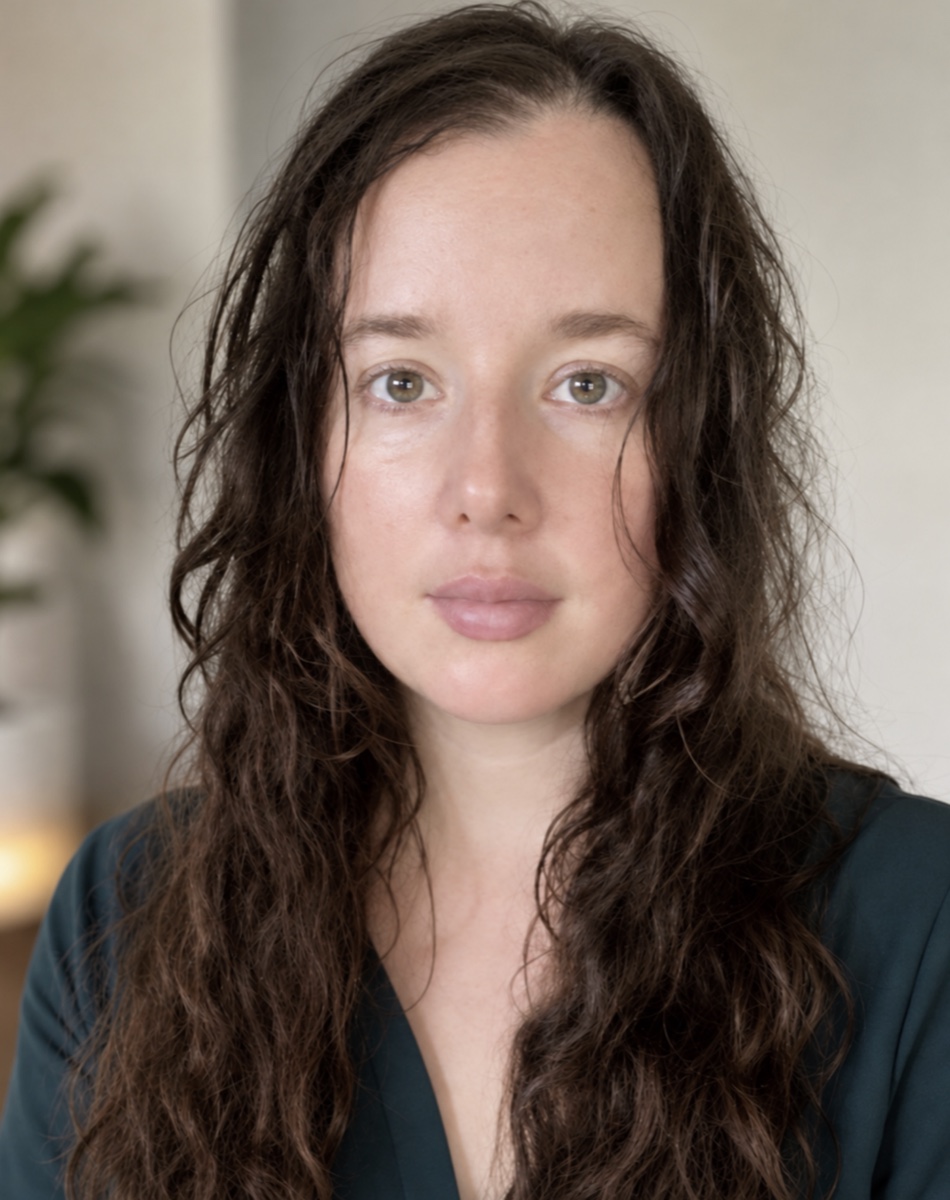
Yvette Sitkowski
LMT, CLT, CMLDT, CPST
Illinois Massage Therapy License No. 227024497
Licensed Massage Therapist, Certified Lymphedema Therapist, Certified Manual Lymph Drainage Therapist, Certified Post Surgical Therapist.
A Palatine lymphatic therapy practice for recovery, swelling, and tissue concerns addressed with skilled, health-focused care.
LMT, CLT, CMLDT, CPST
Illinois Massage Therapy License No. 227024497
Licensed Massage Therapist, Certified Lymphedema Therapist, Certified Manual Lymph Drainage Therapist, Certified Post Surgical Therapist.
Specialized lymphatic training, fascia-focused care, and years of hands-on experience.
Yvette spent seven years in Hawaii studying the body through hands-on practice and a broad range of massage disciplines, including Lomi Lomi, deep tissue, hot stone therapy, reflexology, structural integration, craniosacral work, and somatic theory.
She describes herself as a “somanaut”—an explorer of the inner space of the human body. Her foundation in fascia began at age 16, when Dr. Gil Hedley’s well-known “fuzz” speech first sparked a lasting interest in the body’s inner landscape.
Her own experience with lipedema made the work personal and gave direction to her specialized lymphatic training. Through the Academy of Lymphatic Studies, she developed training in lymphedema care, Vodder-based Manual Lymph Drainage, and post-surgical drainage.
The Lymph Current grew from that combination of personal experience, formal training, and respect for the body. Care is grounded in anatomy, pathway knowledge, informed hands-on work, and continued learning.
The Lymph Current is for clients navigating surgical recovery, swelling, tissue changes, or lipedema patterns who want clear, skilled care.
Sessions use informed pressure, clear pathways, and plain-language explanation from the first visit onward.
Clear, steady care matters before, during, and after each session.
Care is organized around your goal, lymphatic pathways, tissue response, and the areas that need attention.
Sessions are paced for surgical timing, comfort, and tissue response. Gentle pressure is chosen intentionally.
You will understand what is being addressed, why the session is paced that way, and what to watch for next.
Clear explanation, careful pressure, and a grounded plan for next steps should be part of the client experience.
I felt informed and cared for during a really vulnerable part of recovery. The work was gentle, specific, and never rushed.
The difference was that everything was explained. I understood what was being addressed and what changes to watch for afterward.
I came in worried about firm, lumpy areas after surgery. The session felt gentle and reassuring, and I left feeling much clearer about what was normal and what to keep an eye on.
Here is what to expect once you enter the treatment room, from clothing and positioning to pressure and hands-on time.
Full-Body MLD follows a broad whole-body sequence. Post-surgical drainage, lymphedema support, fibrosis treatment, and Decongestive Fascia Therapy are focused on the areas and pathways relevant to the reason you booked.
Undress only to your comfort and only as needed to access the treatment area. Professional sheets and draping remain in place, and only the area being worked is uncovered.
Manual Lymph Drainage is generally performed directly on clean, dry skin without lotion or oil so the skin can be gently stretched. A small amount of product may be used when a separate scar or fascia technique calls for it.
Positioning depends on the areas being treated.
MLD pressure is much lighter than traditional massage: enough to gently stretch the skin rather than knead deeper muscle. Fibrosis and fascia-focused techniques may feel more specific, but pressure is adjusted to the tissue and explained as the session progresses.
When appropriate, complimentary Advanced Red, Amber, and Near-Infrared Light Therapy is included within the scheduled appointment time and can run alongside hands-on care. It does not replace the treatment you booked and is not a separate appointment.
Your first treatment appointment includes a brief intake and assessment followed by hands-on care focused on the affected areas during the same scheduled visit. It is not a consultation-only appointment.
New clients should leave with more clarity, not more confusion.
Post-op timing, procedure areas, swelling behavior, surgeon instructions, tissue density, scar concerns, lipedema patterns, or long-standing fluid retention are reviewed in practical terms.
The session is structured around lymphatic pathways and tissue response. Early recovery work should feel careful and supportive, not aggressive.
You will know whether a single session, a short recovery series, or scar/fibrosis-focused support makes the most sense for your situation.